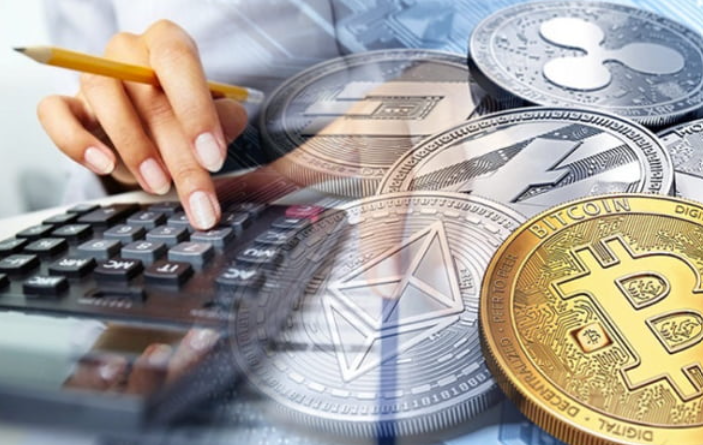
Since its pseudonymous introduction in 2008 by Satoshi Nakamoto, Bitcoin (BTC) has undergone an unprecedented transformation: evolving from an experimental cryptographic concept into an institutional-grade macro asset. Today, Bitcoin sits on the balance sheets of publicly traded corporations, pension funds, and multi-billion-dollar Spot Bitcoin ETFs.
Yet, for new investors entering the decentralized finance (DeFi) ecosystem, navigating cryptographic protocols, custody security, and market volatility can feel daunting.
This comprehensive beginner’s guide breaks down everything you need to know—from mathematical foundations to actionable investment strategies—to build your position safely and strategically.
1. What Is Bitcoin and Why Does It Have Value?
At its core, Bitcoin is a decentralized, peer-to-peer (P2P) electronic cash network governed by open-source code and maintained by a globally distributed network of computers.
Unlike fiat currencies (such as the US Dollar, Euro, or Yen)—which are subject to discretionary central bank policies and constant monetary debasement—Bitcoin operates on an immutable programmatic protocol with no central intermediary or counterparty risk.
The foundation of Bitcoin’s economic value is its hard-capped supply of 21 million units. While central banks can expand the fiat money supply infinitely, no additional Bitcoins beyond the 21 million limit can ever be created.
New Bitcoin enters circulation through a programmatic mechanism called the block reward. Approximately every four years (or every 210,000 blocks), this reward is cut by 50% in an event known as the Bitcoin Halving. This disinflationary schedule makes Bitcoin the first digital asset featuring absolute scarcity—surpassing even physical gold in hardness.
2. Technical Architecture: How the Bitcoin Network Operates
To appreciate why Bitcoin is resilient against counterfeiting, double-spending, and censorship, it is essential to understand the three core technologies underpinning its architecture:
A. The Distributed Blockchain Ledger
The blockchain is a public, decentralized database. Rather than residing on a centralized server, the entire transaction history is duplicated and verified continuously across tens of thousands of independent computers worldwide, called nodes. Each block groups recent transactions and links cryptographically to the previous one using the SHA-256 hash function, creating an immutable chain.
B. Proof-of-Work (PoW) Consensus Mechanism
To append a new block to the ledger, network participants use Proof-of-Work (PoW). Specialized computing operators called miners (utilizing ASIC hardware) race to solve computationally intensive mathematical problems.
The miner who solves the puzzle first earns the right to add the block, receiving the block reward and user transaction fees. This computational and electrical expenditure secures the network: rewriting Bitcoin’s transaction history would require an attacker to command over 51% of global computing power—a feat economically and logistically unviable.
C. Asymmetric Cryptography: Public vs. Private Keys
Asset ownership on the Bitcoin blockchain is governed through public-key cryptography:
Public Key (Wallet Address): Comparable to a bank account IBAN or routing number. It is safe to share publicly with anyone sending you funds.
Private Key (Digital Signature / Seed Phrase): Comparable to your banking master password and digital authorization combined. It grants exclusive control over the assets on that public address. Never share, upload, or expose your private key or seed phrase.
3. Step-by-Step Execution: How to Buy Bitcoin Safely
Purchasing Bitcoin as a beginner requires a structured approach to avoid operational mistakes, phishing scams, and unnecessary fee drag.
Step 1: Select a Compliant, High-Reputation Crypto Exchange
Choose a reputable centralized exchange (CEX) that satisfies strict regulatory and security benchmarks:
Regulatory Licensing: Confirm registration with tier-1 regulators (e.g., FinCEN in the US, FCA in the UK, or MiCA/BaFin/Bank of Spain compliance in Europe).
Proof-of-Reserves (PoR): Prioritize platforms that provide third-party, cryptographically verifiable Merkle-tree proof of user asset backing.
Legitimate exchanges mandate Know Your Customer (KYC) compliance under international Anti-Money Laundering (AML) standards. You will need a valid government-issued ID (Passport, Driver’s License) and a biometric facial verification scan.
Step 3: Fund Your Account & Execute the Trade
Fund your exchange balance via bank transfer (ACH, SEPA, or Wire) to minimize payment processing fees. Then choose your execution order type:
Market Order: Fills immediately at the best available current market price. Ideal for small purchases where immediate execution takes priority over minor price slippage.
Limit Order: Allows you to define the exact price you are willing to pay. The order executes only if the market reaches your designated target.
4. Advanced Custody Protocols: Securing Your Assets
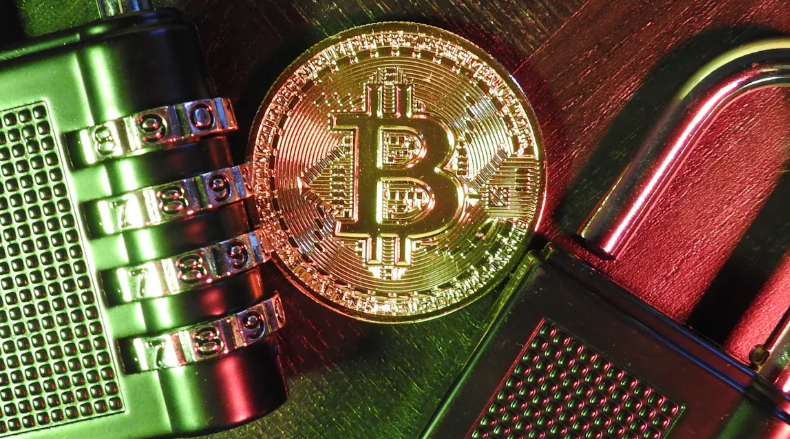
A widespread rookie mistake is keeping assets on the exchange long-term. If an exchange experiences liquidity crises, regulatory freezes, or security breaches, your capital remains at counterparty risk. This is where the crypto maxim applies: «Not your keys, not your coins.»
Self-Custody Solutions Compared
Software Wallets (Hot Storage): Desktop or mobile applications (e.g., Sparrow Wallet, Blockstream Green). Convenient for frequent transactions, but endpoints remain susceptible if the operating device is compromised by malware.
Hardware Wallets (Cold Storage): Dedicated offline devices (e.g., Trezor, Ledger, Blockstream Jade, Coldcard) that store your private keys inside a secure element chip isolated from the internet. Physical button confirmation is required to sign transactions, protecting your assets against remote exploits.
Attempting to time the market through short-term day trading frequently leads to capital loss for beginners. The most disciplined, mathematically sound strategy for long-term investors is Dollar-Cost Averaging (DCA).
The Dollar-Cost Averaging (DCA) Framework
DCA involves allocating a fixed fiat amount (e.g., $100 monthly or $25 weekly) at set intervals, regardless of whether Bitcoin is trading at all-time highs or during a market correction.
Key Benefits of a Bitcoin DCA Strategy
Removes Emotional Biases: Eliminates FOMO (Fear of Missing Out) and panic selling caused by short-term market noise.
Averages Your Cost Basis: Automatically purchases more satoshis (fractions of BTC) when prices drop, and fewer when prices rise.
Low Operational Barrier: Most major platforms allow automated recurring purchases directly from your linked bank account.
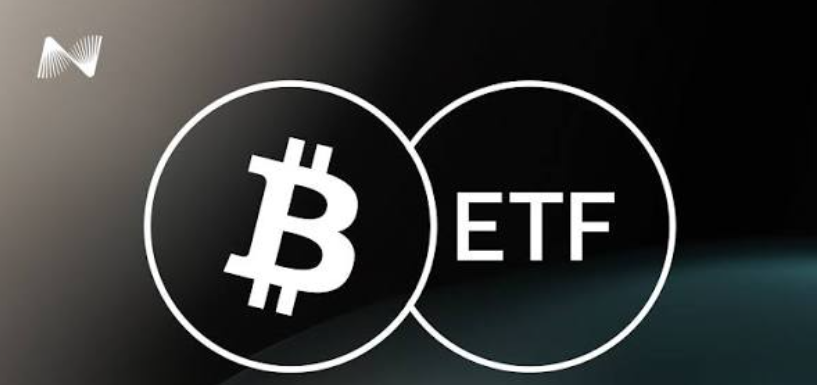
6. Direct Bitcoin Ownership vs. Spot Bitcoin ETFs
Beginners can choose between holding the physical underlying asset or utilizing traditional brokerage vehicles like regulated Spot Bitcoin ETFs:
Feature
Direct Spot Bitcoin (Physical Ownership)
Spot Bitcoin ETFs (e.g., IBIT, FBTC)
Asset Custody
Direct cryptographic self-custody (Private keys in your control)
Requires understanding wallet addresses, UTXOs, and seed phrases
Seamless integration into existing brokerage / retirement accounts (401k, IRA)
Recurring Fees
Zero management fees (only on-chain network transaction fees)
Annual Management Expense Ratio (typically 0.19% – 0.30% p.a.)
Network Utility
Full utility (Transferable, permissionless P2P payments, Lightning Network)
Paper exposure only (No ability to withdraw or transfer raw BTC)
Key Takeaways: Your Path to Financial Sovereignty
Bitcoin represents a historic shift in monetary technology. For the first time, individuals have access to an asset that combines absolute scarcity, mathematically enforced rules, and frictionless global transferability—free from arbitrary debasement or unilateral confiscation.
To build a resilient Bitcoin position:
Focus on the long term rather than daily price fluctuations.
Automate your accumulation using a disciplined Dollar-Cost Averaging (DCA) framework.
Graduate to self-custody by migrating meaningful balances to a dedicated hardware wallet.
Disclaimer: This guide is intended strictly for educational and informational purposes. Cryptocurrency investments involve market risk and volatility. This content does not constitute financial, legal, or investment advice. Always conduct your own research (DYOR) and evaluate your personal risk tolerance before allocating capital.