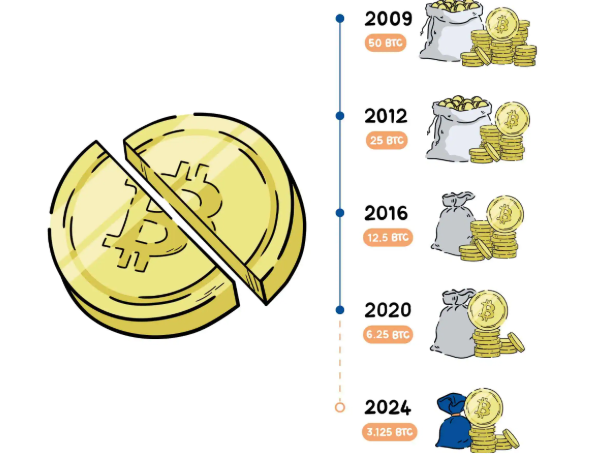
The Bitcoin protocol stands as a masterclass in monetary engineering, designed natively to counteract the systemic inflation that continually erodes fiat currencies. At the heart of this programmatic, deflationary monetary policy lies a core algorithmic event: the Bitcoin Halving (also known as the Halvening).
Occurring automatically every 210,000 blocks (roughly every four years), this mechanism cuts the block subsidy rewarded to miners in half for validating transactions and securing the network. This comprehensive guide breaks down the underlying mathematics, the shifting supply-and-demand dynamics, the structural implications for institutional miners, and the historical post-halving market cycles across the broader crypto asset ecosystem.
1. The Mathematical Blueprint: Absolute Digital Scarcity
Unlike fiat currencies (such as the US Dollar or the Euro), which central banks can inflate through quantitative easing and discretionary monetary easing, Bitcoin’s issuance schedule is hardcoded and immutable.
The distribution of new BTC relies on the Proof-of-Work (PoW) consensus mechanism. Specialized application-specific integrated circuit (ASIC) rigs compete to solve SHA-256 cryptographic puzzles. When a miner discovers a valid block hash, the network grants a twofold payout:
The Block Subsidy: Newly minted Bitcoin created out of thin air via the Coinbase Transaction.
Transaction Fees: Satoshis attached by network users prioritizing inclusion in the block space.
2. Chronological Breakdown of Historical and Future Halvings
Halving Event
Block Height
Date of Execution
Pre-Halving Block Subsidy
Post-Halving Block Subsidy
Genesis Block
Block 0
January 3, 2009
N/A
50.0 BTC
1st Halving
Block 210,000
November 28, 2012
50.0 BTC
25.0 BTC
2nd Halving
Block 420,000
July 9, 2016
25.0 BTC
12.5 BTC
3rd Halving
Block 630,000
May 11, 2020
12.5 BTC
6.25 BTC
4th Halving
Block 840,000
April 19–20, 2024
6.25 BTC
3.125 BTC
5th Halving
Block 1,050,000
Estimated ~2028
3.125 BTC
1.5625 BTC
This automated programmatic decay will continue until approximately the year 2140, when the final satoshi is mined. At that threshold, the block subsidy will drop permanently to zero, transitioning Bitcoin into a pure Fee-Only Security Model, where miners are sustained entirely by block space fee market competition.
3. Macroeconomic Mechanics: Supply Shocks vs. Institutional Inflows
From a pure classical macro perspective, market clearing prices are driven by the equilibrium between aggregate supply and demand. The halving imposes an immediate, non-negotiable supply shock on primary market issuance.
Daily Miner Production (Pre-2024):  ~900 BTC / day
Daily Miner Production (Post-2024): ~450 BTC / day
Annual Inflation Rate: Drops well below 1.0% (more scarce than physical gold)
Miners are structural forced sellers; they regularly liquidate a significant portion of their block payouts on spot desks and OTC (Over-The-Counter) counters to fund operational expenditures (OPEX), including wholesale electricity and hosting tariffs. Slashing this daily structural sell pressure in half creates an acute supply constraint.
The Cumulative Lag Effect and the 4-Year Cycle
Novice market participants frequently anticipate an instantaneous price spike on the exact day of the halving. Historically, this never occurs overnight:
The 6-to-18-Month Lag: It takes several months for the cumulative structural supply deficit to drain liquid inventory across centralized exchanges, prime brokerages, and OTC desks.
Reflexive Momentum: Once demand (from retail participants, spot ETFs, and corporate treasuries) outstrips the thinned order book liquidity, upward price discovery triggers a reflexive bullish market cycle.
4. Operational Impact on Miners and the Network Hashrate
Because the mining ecosystem operates on ultra-tight profit margins, an overnight 50% revenue drop creates significant capital discipline challenges:
Miner Capitulation: Operators with sub-optimal fleet efficiencies (high Joules-per-Terahash ratios) or expensive Power Purchase Agreements (PPAs) become unprofitable, forcing them to shut down rigs.
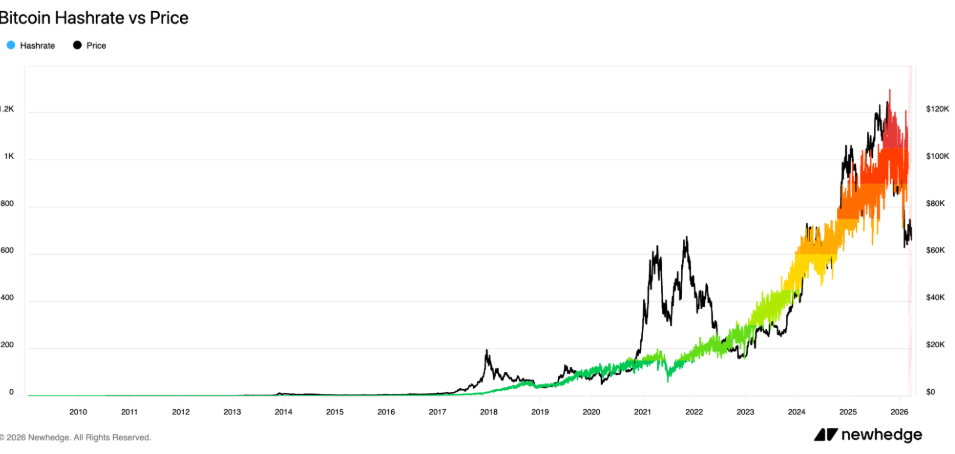
Hashrate Corrections & Difficulty Adjustments: As older machines go offline, the aggregate network hashrate drops. The protocol responds autonomously: every 2,016 blocks (~14 days), the difficulty recalculates downward, restoring equilibrium and preserving consistent 10-minute block intervals.
Institutional Industrial Consolidation: Tier-1 publicly traded mining corporations prepare years in advance. They optimize treasury reserves, integrate direct immersion cooling infrastructure, negotiate zero-cost stranded/flare gas partnerships, and deploy state-of-the-art ASIC hardware to capture market share from distressed competitors.
Key Takeaway
The Bitcoin Halving is the ultimate testament to the predictability, transparency, and code-enforced monetary governance of decentralized networks. While central banks and sovereign entities manipulate money supplies via discretionary monetary policies, Bitcoin executes according to an unyielding digital clock. Understanding these four-year supply shock cycles provides market participants with the structural clarity needed to navigate long-term digital asset valuation.